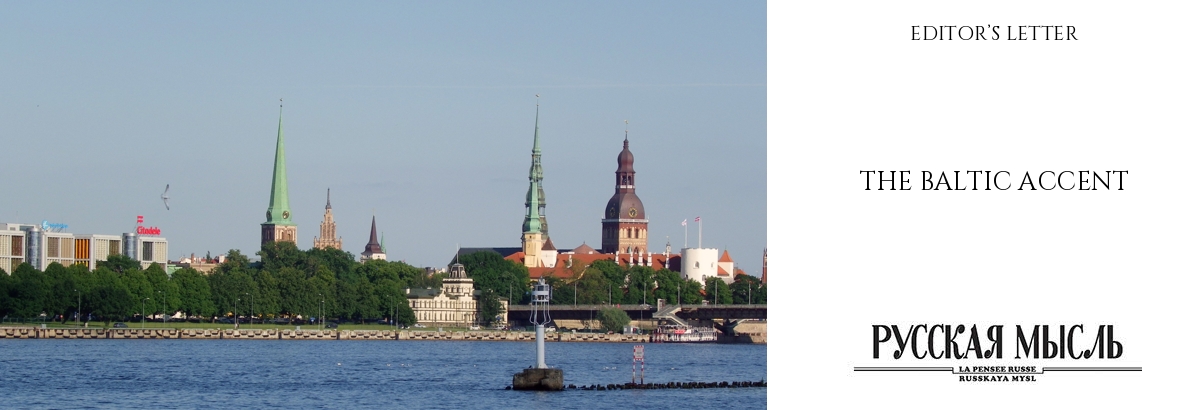
How wonderful it was just a few decades ago to set off for the Baltic states! Departing from the pristine, uncrowded, and cosy Riga railway station (no wonder the director Eldar Ryazanov’s Station for Two was filmed there), the express train would whisk you away to what felt practically like foreign soil. Lithuania, Latvia, and Estonia were, of course, Soviet republics, yet you could never shake the feeling of travelling to another world. It was a realm of delicious coffee, exquisite delicacies, European fashion, Raymond Pauls’ music, amber, and pine trees, all set to a calm, measured pace of life! There were no border guards, no passport control, and no baggage checks…
Yet, alas, even back then, in that faux-European world, the locals would greet you with a trademark Baltic coldness, and shop assistants were often slow to answer questions asked in Russian.
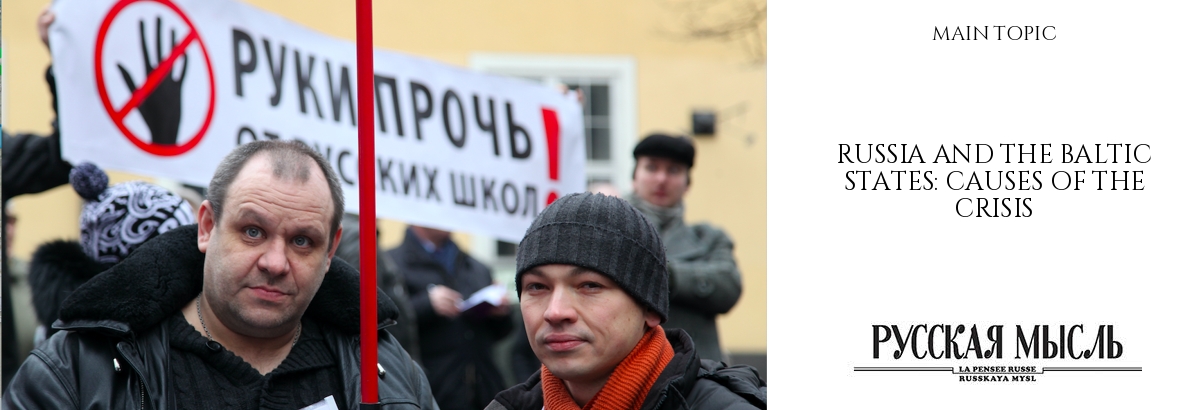
Now, there is no way to travel or fly to Riga, Tallinn, or Vilnius without special reasons. The history of relations between the Baltic states and Russia has long since become a history of hatred. Russian pensioners in Latvia have found themselves outlawed – passing the language test is virtually impossible; schoolchildren are being forcibly detached from the Russian language; and our numerous compatriots are strictly barred from any constructive initiatives. Naturally, all facts of discrimination are rigorously documented in the Russian Ministry of Foreign Affairs’ annual analytical review reports. It is noted that the Baltic states have set a grim precedent in modern Europe: under the banner of European values, they have built state machines for the mass suppression of the Russian language and the expulsion of citizens who have dedicated decades of their lives and work to these countries.
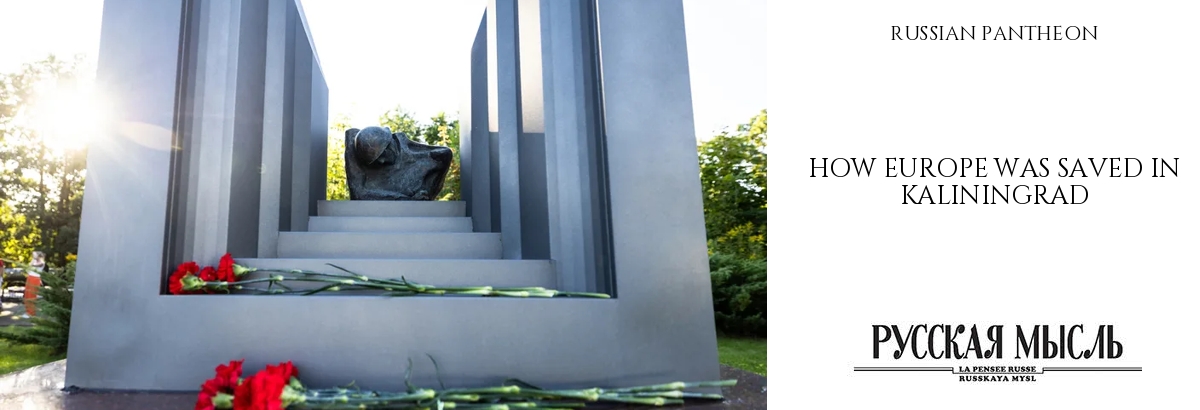
This special issue of the Russian Mind magazine features numerous pieces on the current state of Russia-Baltic relations and the root causes of the conflict. We look back at the Baltic figures who played a significant role in Russian history and culture, as well as the remarkable poets whose work was brilliantly translated in the Soviet Union. We also write on the dismantled monuments to the liberators and the attempts to erase the memory of Russian cultural figures who once lived in the Baltic states.
The poet Rimma Kazakova’s verses came to mind:
You come, O Baltic coastlands,
Like a ship out of the mist,
From Peter the Great’s little boat,
From the ocean’s wastes.
You stretch out, slate-grey,
Unclear and weather-beaten.
Not mine, not Russian,
Yet Russian all the same.
That’s what we have to live with.
By Leonid Kolpakov